
1. Introduction
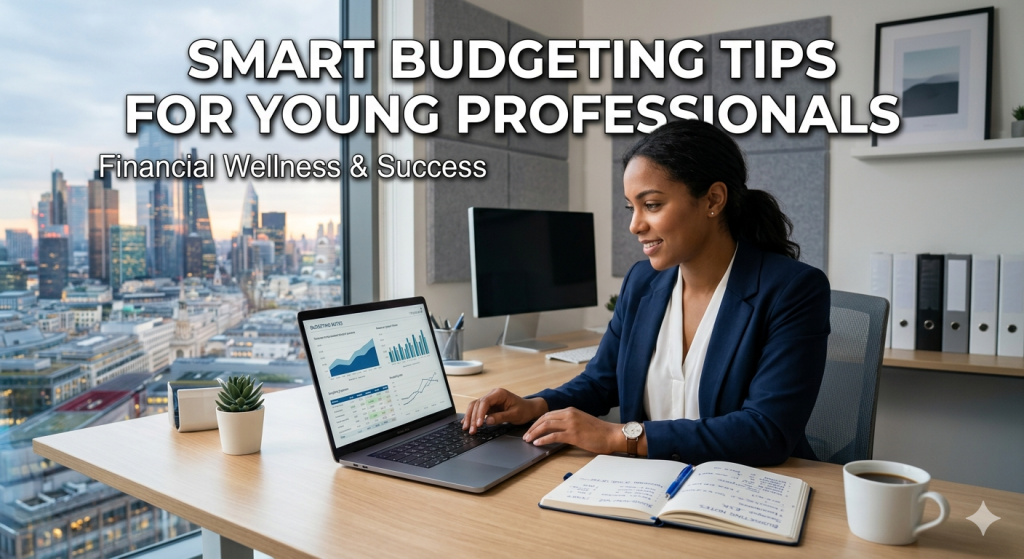
Starting your career is exciting—but managing money can feel overwhelming. Many young professionals earn well yet struggle financially due to poor budgeting habits. The truth is simple: it’s not how much you earn, it’s how well you manage it.
This guide will help you master smart budgeting techniques that are practical, scalable, and globally relevant.
2. Why Budgeting Matters for Young Professionals
Budgeting is more than tracking expenses—it’s about controlling your financial future.
Key Benefits:
- Prevents overspending
- Builds savings faster
- Reduces financial stress
- Helps achieve life goals (travel, house, business)
Without a budget, your money disappears without purpose.
3. Understanding Your Income and Expenses
Step 1: Know Your Net Income
This is your take-home salary after taxes and deductions.
Step 2: Track Your Expenses
Split expenses into:
- Fixed: Rent, EMI, subscriptions
- Variable: Food, entertainment, shopping
Tip: Track expenses for at least 30 days to understand patterns.
4. The 50/30/20 Rule and Smarter Variations
Classic Rule:
- 50% Needs
- 30% Wants
- 20% Savings
Smarter Variation for Growth:
- 50% Needs
- 20% Wants
- 30% Savings & Investments
If you want faster financial growth, increase your savings ratio early in life.
5. Build a Budget That Actually Works
A good budget should be:
- Simple
- Flexible
- Realistic
How to Create It:
- List income
- Categorize expenses
- Set limits
- Track weekly
Avoid over-restricting yourself—it leads to failure.
6. Smart Expense-Cutting Strategies
Cutting costs doesn’t mean sacrificing happiness.
Practical Tips:
- Cook more, order less
- Cancel unused subscriptions
- Use public transport or carpool
- Buy quality over quantity
Golden Rule:
Cut costs on things you don’t care about, spend on things you love.
7. Automating Your Finances
Automation removes discipline problems.
Automate:
- Savings transfers
- Investment contributions
- Bill payments
“Pay yourself first” by auto-saving immediately after salary credit.
8. Saving vs Investing: What to Prioritize
Savings:
- Short-term goals
- Emergency fund
Investing:
- Long-term wealth
- Beating inflation
Smart Strategy:
- Build savings → then invest consistently
9. Managing Debt the Smart Way
Not all debt is bad—but mismanaged debt is dangerous.
Good Debt:
- Education
- Business
Bad Debt:
- Credit card overspending
- Luxury purchases on EMI
Repayment Strategies:
- Snowball Method (small to big debts)
- Avalanche Method (high interest first)
10. Emergency Fund Essentials
An emergency fund is your financial safety net.
How Much?
- 3–6 months of living expenses
Where to Keep It?
- High-liquidity accounts
- Not in risky investments

11. Lifestyle Inflation: The Hidden Enemy
As income grows, expenses increase automatically.
Example:
Salary ↑ → More spending on:
- Gadgets
- Dining
- Luxury lifestyle
Solution:
- Increase savings % with every salary hike
- Maintain a fixed lifestyle baseline
12. Budgeting Tools & Apps
Using tools makes budgeting easier.
Popular Options:
- Expense tracking apps
- Spreadsheet budgeting
- Banking apps with insights
Choose tools that are simple and easy to maintain.
13. Common Budgeting Mistakes to Avoid
Mistakes:
- Not tracking expenses
- Setting unrealistic budgets
- Ignoring small expenses
- Not reviewing monthly
Fix:
Review your budget every month and adjust.
14. Long-Term Financial Planning
Budgeting is the foundation for bigger goals:
- Buying a home
- Starting a business
- Early retirement
- Traveling the world
Strategy:
- Set clear goals
- Break into monthly targets
- Track progress
15. FAQs
Q1: How much should I save as a young professional?
At least 20–30% of your income.
Q2: Is budgeting necessary if I earn well?
Yes. High income without budgeting leads to financial instability.
Q3: Should I invest or save first?
Start with savings (emergency fund), then invest.
Q4: How often should I review my budget?
Monthly is ideal.
Conclusion
Smart budgeting is not about restriction—it’s about freedom and control. As a young professional, the habits you build today will shape your financial future.
Start small, stay consistent, and remember:
Financial success is a result of daily money decisions, not big one-time actions.
Final Words
Smart budgeting isn’t about restricting your lifestyle—it’s about designing a life where your money works for you, not against you. As a young professional, the financial habits you build today will compound over time and define your future stability, freedom, and opportunities.
You don’t need a perfect system to start—you just need consistency. Track your spending, prioritize saving and investing, and make intentional decisions with your money. Even small improvements today can lead to massive financial growth tomorrow.
also read : how to save money fast on a low salary in india 2026